

#191: Family lexicon.
The phrases that bind us together.
I look over my growing list, pleased with myself:
Punch it, Bishop!
There’s a hole in the bucket, dear Liza
Is this the place we hate?
Zazzo!
Bye bye, camera
I’ve been working on the railroad
I add more nonsensical phrases every day, and it’s all the fault of a half-century-old autobiographical novel with a quirky title: Family Lexicon.
While visiting Kendall in Portugal last fall, I did my usual dawdling in bookstores like some literary vagrant.
At Livraria da Travessa in Lisbon’s Principe Real neighborhood, I spent hours in the English-language back room pawing through neatly stacked piles, as if I was Marco Polo feeling for the best bolts of silk. In an effort at self control, I have self-imposed the rule of no more than three books per bookstore. After much back and forth, I selected On Agoraphobia (don’t have it but I’ve always had a maudlin fascination with it) and In the Dream House (a harrowing memoir, experimentally told). Only one more slot to fill…
I was running my hand over another stack of spines, when a sleek cover with a moody black and white photo grabbed my attention: Family Lexicon by Natalia Ginzburg. The book’s description read, “Homesick for her Italian family, she summoned them in this celebration of the routines and rituals, in-jokes and insults and, above all, the repeated sayings that make up every family.”
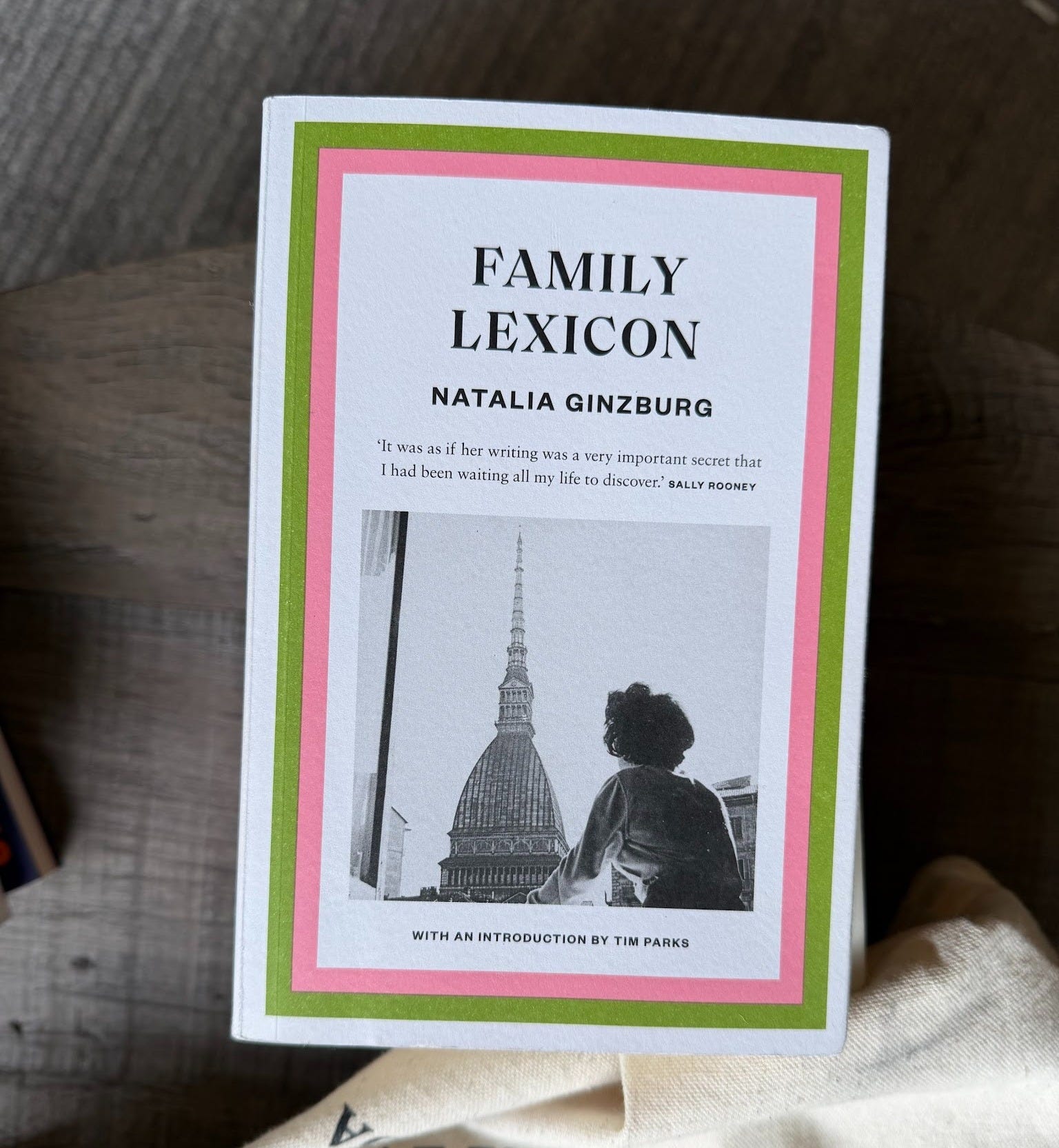
I flipped open the book, and found myself immersed in the favorite references and phrases of an intellectual family in 1930’s Italy:
“We haven’t come to Bergamo on a military campaign” — a phrase picked up from an orchestra conductor cajoling his musicians, which conveyed everyone needed to get their act together, pronto. Then there was, “Good morning, most eminent Señor Lipman” — a tongue-in-cheek greeting designed to take one down a notch, inspired by a patient of Ginzburg’s psychologist uncle who thought he was God. And also, her father’s addition of “poor” as a preamble to anyone who had passed away, their name now bearing a kind of honorific: “poor Galeotti”, he’d say every time he referenced his dearly departed friend.
Though I did not connect with the phrases I was reading, I could feel their tacky texture. These quips were shorthand forms of intimacy for the Levi’s (Ginzburg’s maiden name), a way to instantly feel closer through letter or telephone call when they lived countries apart.
I LOVE finding a book like Family Lexicon, the kind that describes and investigates a part of life I know so intimately, but have never looked directly at… In this case, the way we create a language within our families. Our own version of pig Latin, or Urban Dictionary. Sayings particular to us, to our unit, to our family’s history, and to the important or hilarious moments, TV shows, or rituals in our lives. This language makes zero sense to the outsider, but it’s a rich tapestry of layered meaning to us.
It took approximately five seconds for me to decide 1) I’d found my third book, and 2) I’d start gathering the Deagle family lexicon.
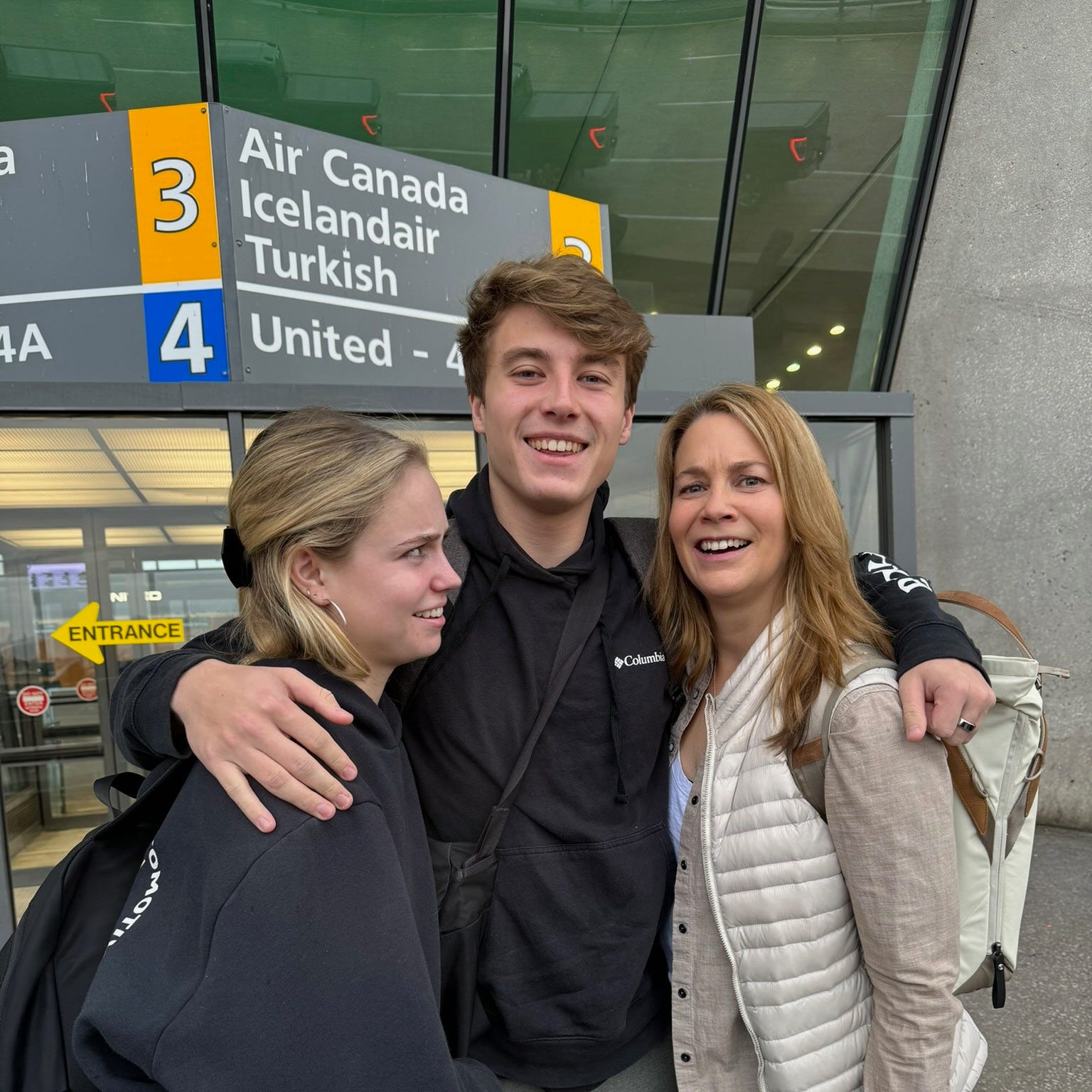
Zazzo (noun) - a ringing phone
We picked up our first family phrases based on Connor’s attempts at speech. A tow head in his blue mesh stroller, his chubby finger pointed accusatorially at a distracted lady in an elevator as her cellphone rang in her purse. He shouted “zazzo!”, a word we still use today whenever someone’s phone rings.
Bye bye, camera! (valediction) - because cameras deserve to be recognized for their work, too.
Another memory: Connor, wearing yellow rubber dishwashing gloves that reached his armpits, goofing off in the kitchen while I snapped his pic. When it was time for cleanup, I took one final picture with our Minolta and then I said, “Say bye bye to the camera!” “Bye bye, camera!” he said in a sing-song voice, which we try to replicate after each photography session.
Dear Liza, a hole! (exclamation) - the only correct way to mention someone has a hole in an article of clothing
&
I’ve been working on the railroad (description) - a casual, slightly dramatic way to explain you’ve been hard at work
I sang folk songs from my childhood while I was chauffeuring my two back-seat passengers to daycare and art class and swimming lessons. These call-and-response folk favorites included “She’ll be coming around the mountain” complete with verses, “she’ll be riding six white horses” and “someone’s in the kitchen with Dinah”. Another favorite: “There’s a hole in the bucket dear Liza, a hole.” And lastly, “I’ve been working on the railroad, all the live long day”, augmented of course by “Dinah, won’t you blow your horn?” (Clearly we Deagles have a thing for Dinah’s??)
Over the years, we short-handed the lengthier versions down to bite size. So if someone showed up in front of me sporting a hole in their sock, their monologue included “Dear Liza, a hole”. If anyone had a big homework assignment that took forever: “I’ve been working on the railroad!”
Punch it, Bishop! (directive) - a polite-ish way of telling someone to hurry up
During the teenage stage, we added nothing to the family lexicon, as mere breathing was a crime. But at this young adult stage, we’ve returned to our family lexicon with a vengeance. Our family love language is laughter, and we’ve resurrected the kid-stage language while also creating new ones. “Punch it, Bishop!” was added in the last decade, so we can express some urgency while mimicking Sigourney Weaver telling her bot bro to step on the gas in Alien.
Is this the place we hate? (rhetorical question) - a subtle way of naming the chaotic nature of a place
This is a new addition! We added it just this last year while stuck in a London black cab at the Piccadilly Circus roundabout. Traffic had ground to a halt, the advert-laden jumbotrons were burning our retinas, and floods of Christmas revelers jaywalked the logjam. Overwhelmed, Kendall turned to me and said “I hate this place.” So now whenever lights are flashing, pedestrians are flowing, or chaos generally reigns, “is this the place we hate?” sums it up.
As much as it hurts this word-nerd to say it, the words themselves don’t really matter. Ginzburg allowed me to see what does: an undercurrent of connection that exists as we exchange them back and forth, sitting next to each other or across the miles that separate us. They are the threads, the tethers, that tie us together. They don’t overpromise — they can’t keep bad things from happening; they can’t make ruptures heal. But they remind us that whatever life hands us, we’ll be in it together.
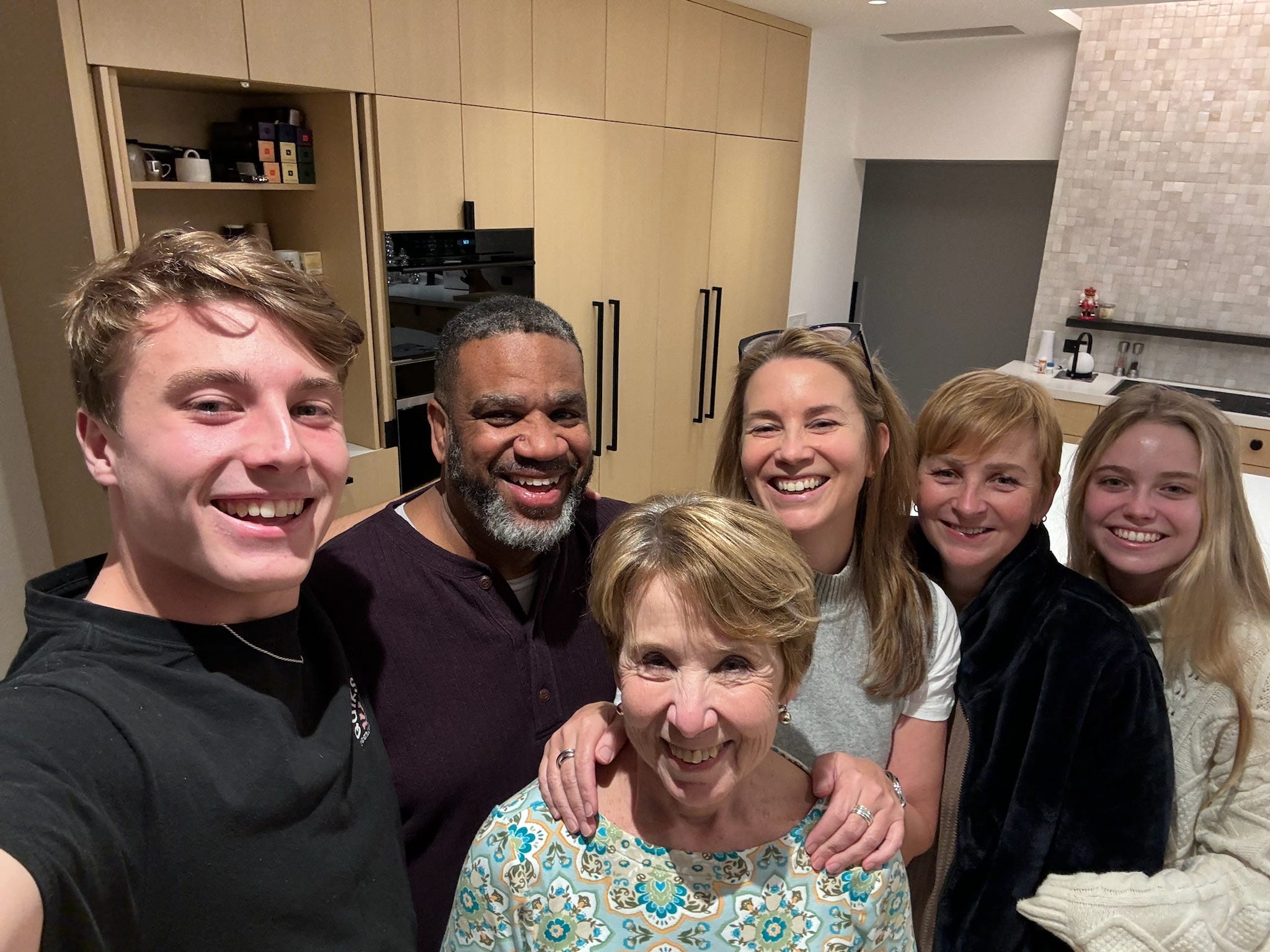
To the nonsense that binds us,

I love this and I love your phrases 🤣
I love your post, Sue. It reminds me of the family "lexicons" we had when the kids were young. I always used "all hands on deck" when I needed everyone asap to help out with something, and from Mission Impossible--- "your mission, should you choose to accept it" said in a humorous manner when I wanted them to do a task around the house. Also we loved the expression "family funky feeling" when there was a place or thing we didn't like. Thanx for helping me reminisce about these fun sayings from years back!